Publications
complete list of papers and preprints.
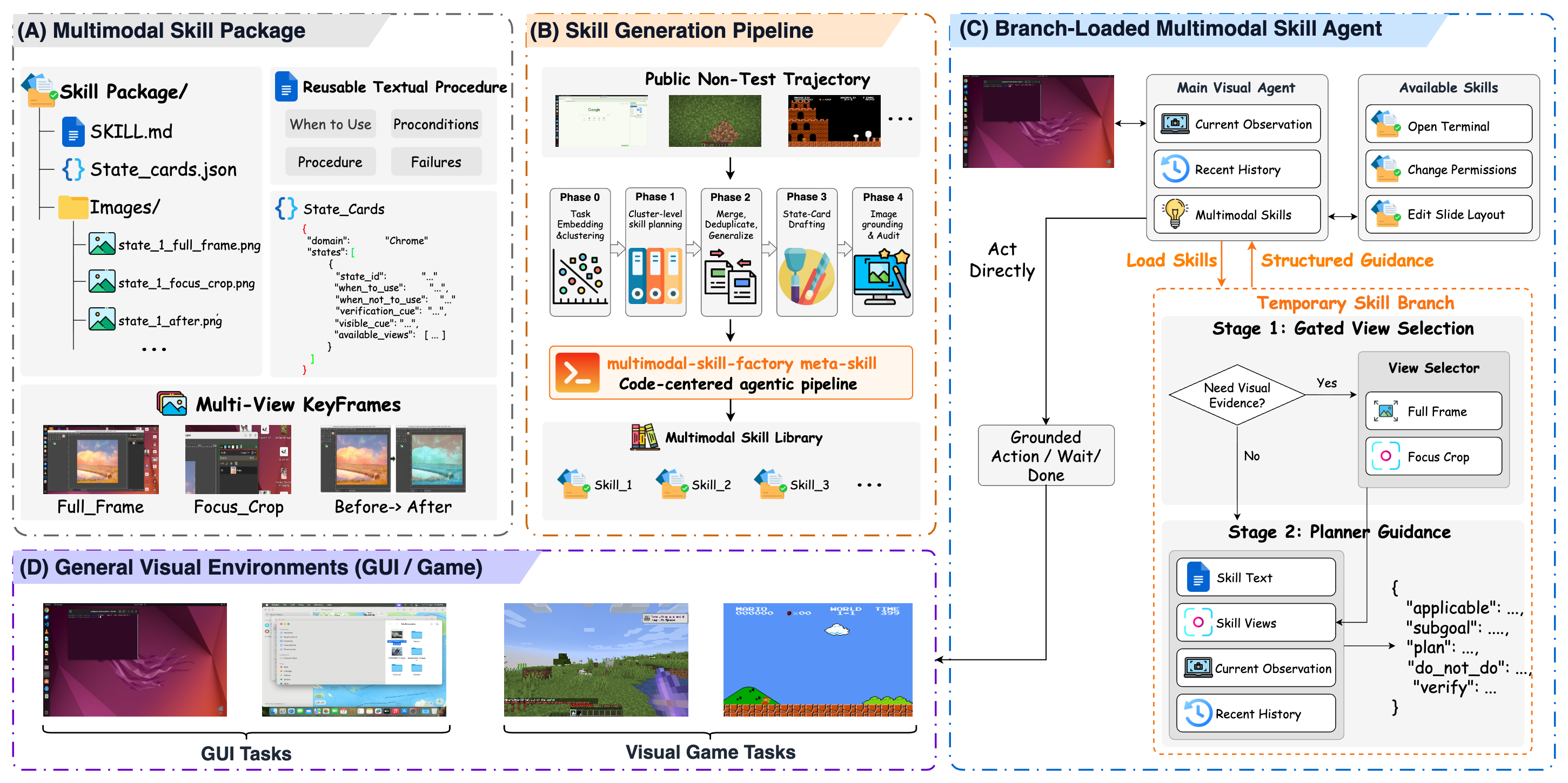
MMSkills: Towards Multimodal Skills for General Visual Agents
arXiv preprint, 2026
MMSkills represents reusable multimodal procedural knowledge for visual agents with textual procedures, runtime state cards, and multi-view keyframes, then uses branch loading to consult relevant visual evidence during decision making.
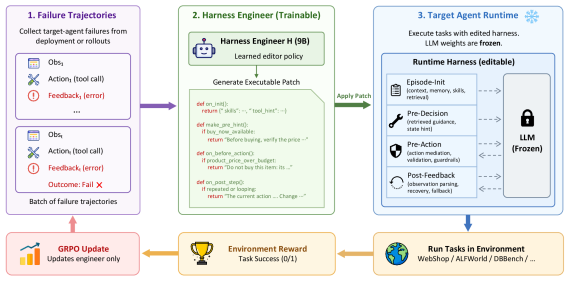
Harness-R1: Learning to Edit Executable Runtime Harnesses from Agent Failure Trajectories
arXiv preprint, 2026
Harness-R1 trains a dedicated harness engineer to turn agent failure trajectories into validated executable runtime patches, improving target-agent success both before and after direct fine-tuning.
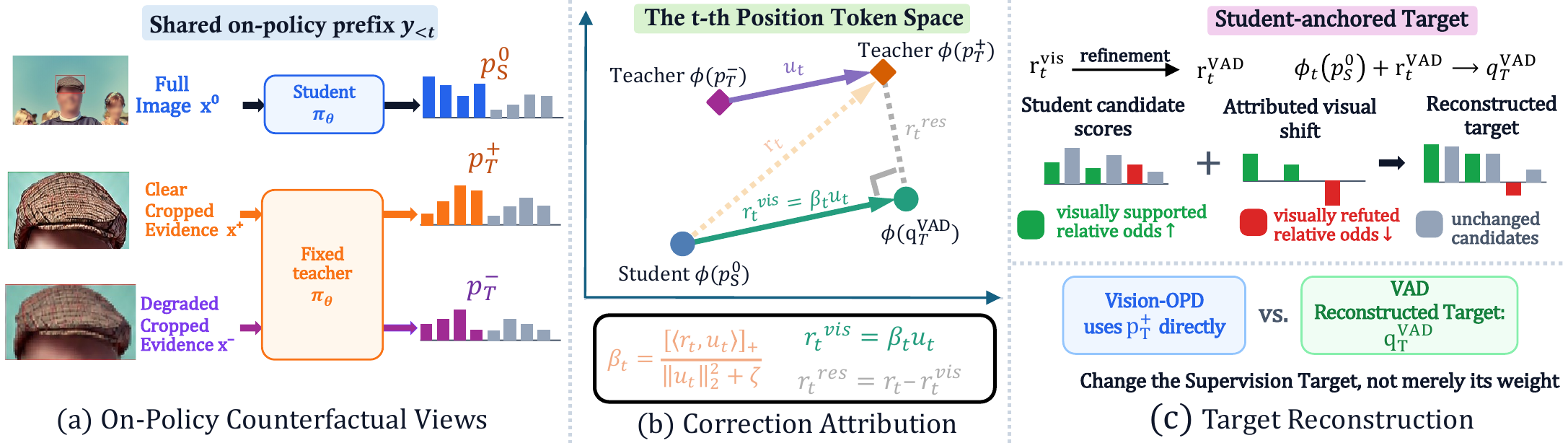
VAD: Attributing Visual Evidence for Target Reconstruction in Multimodal On-Policy Distillation
arXiv preprint, 2026
VAD attributes teacher corrections to controlled visual evidence and reconstructs student-anchored supervision targets for multimodal on-policy distillation, outperforming direct privileged-view distillation across six fine-grained visual benchmarks.
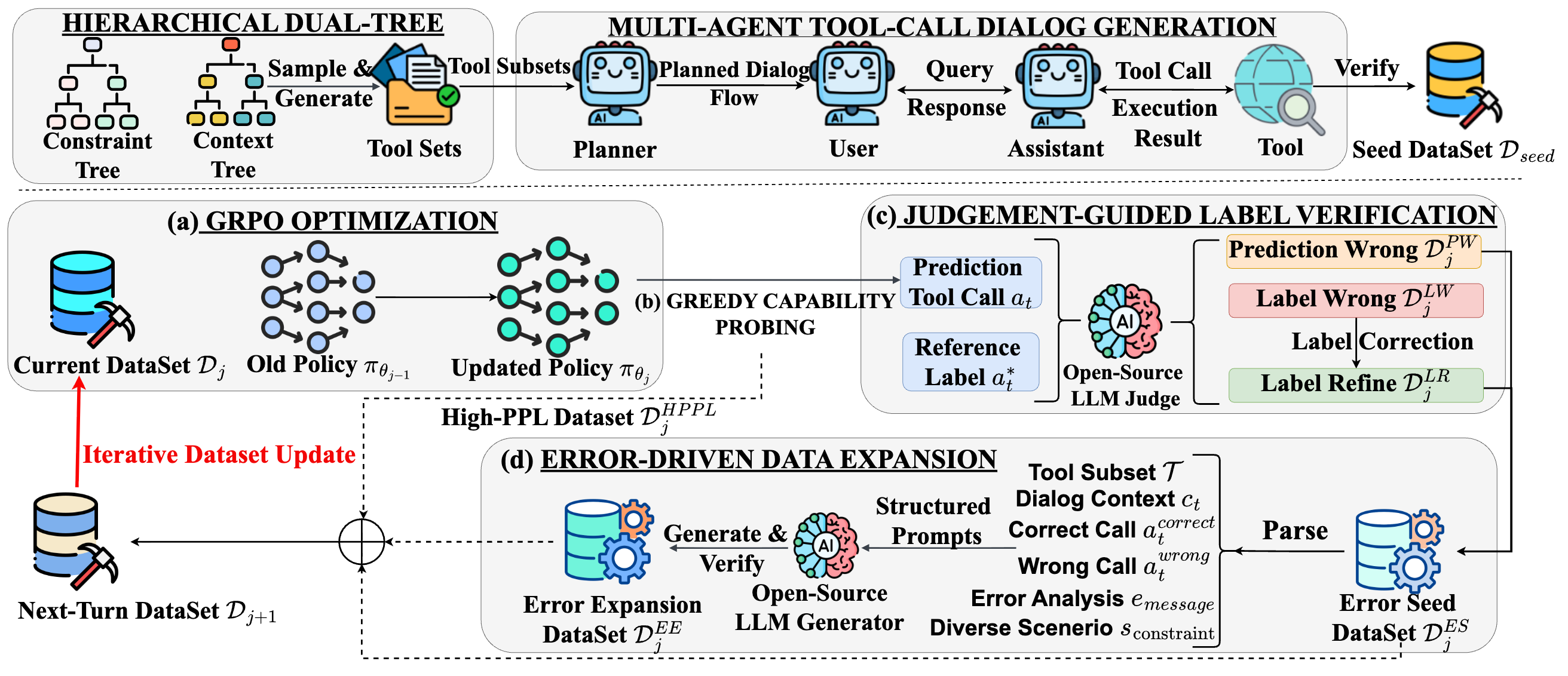
LoopTool: Closing the Data-Training Loop for Robust LLM Tool Calls
Annual Meeting of the Association for Computational Linguistics (ACL), 2026
LoopTool closes the data-training loop for LLM tool use by evolving training data around a model's current weaknesses, improving robustness for multi-step tool-calling tasks.
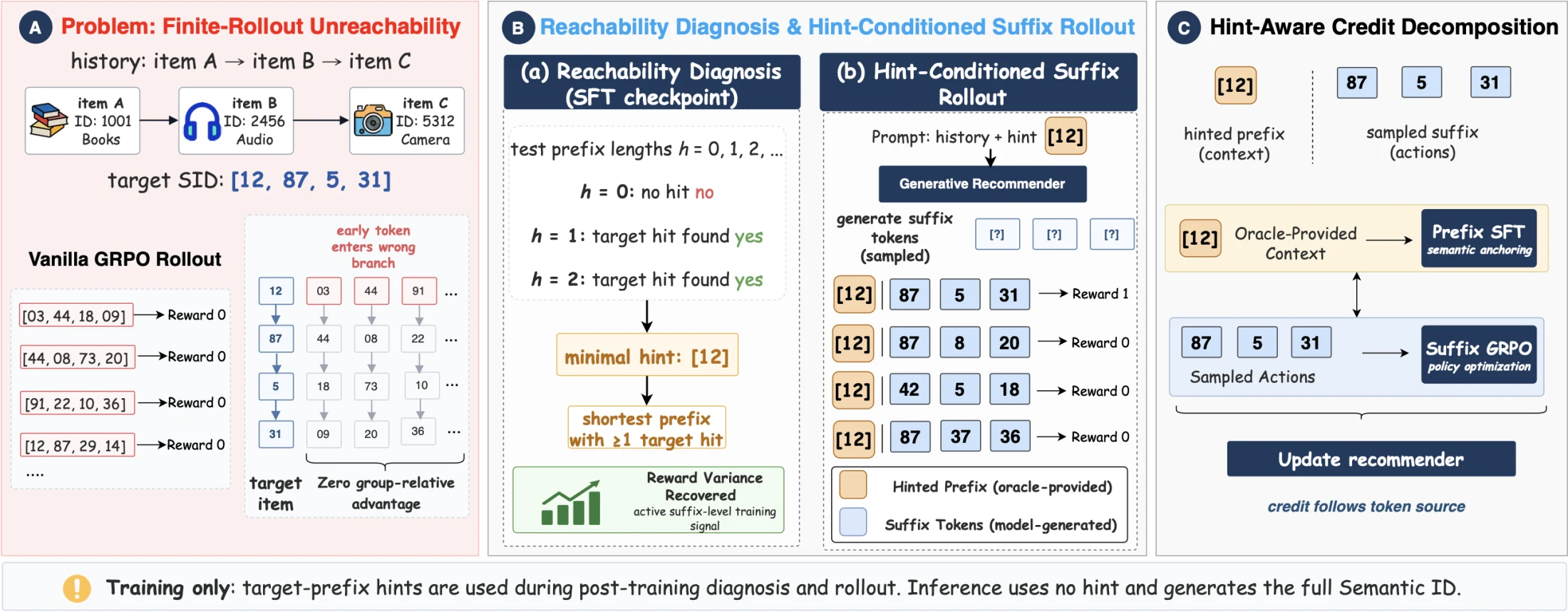
Learning from Unreachable Rewards: Hint-Conditioned Reinforcement Learning for Generative Recommendation
ACM International Conference on Information and Knowledge Management (CIKM), 2026
HCGRec diagnoses when finite rollout groups cannot reach the target item, supplies the shortest useful target-prefix hint, and separates supervised credit for hinted context from GRPO credit for sampled suffix actions, reducing zero-advantage training samples from over 70% to below 20%.
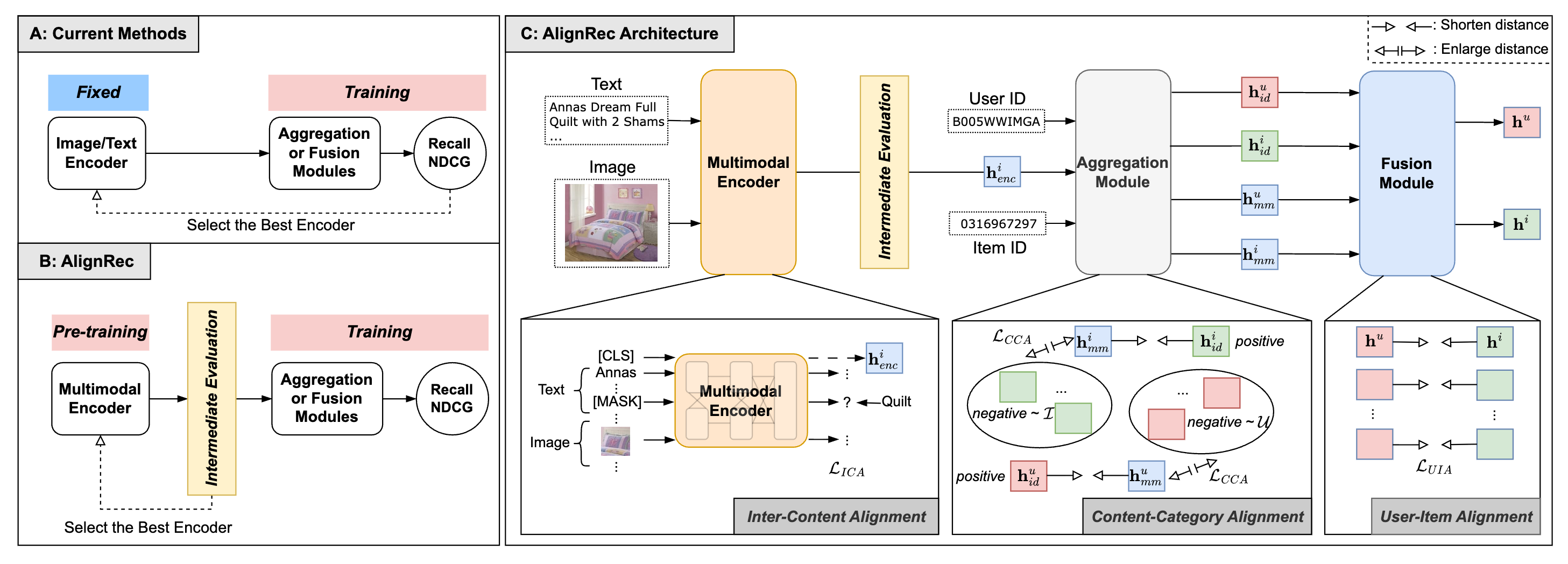
AlignRec: Aligning and Training in Multimodal Recommendations
ACM International Conference on Information and Knowledge Management (CIKM), 2024
AlignRec studies representation misalignment in multimodal recommendation and introduces alignment-aware training for stronger multimodal user-item features.
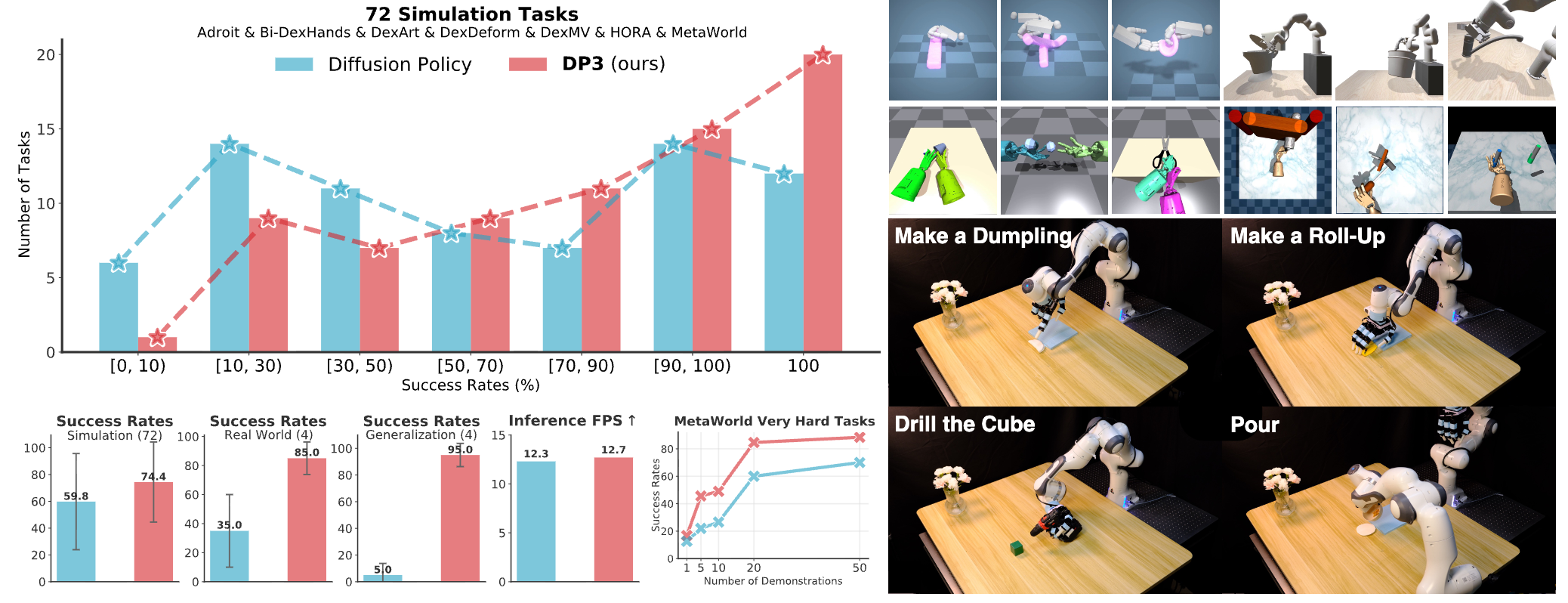
3D Diffusion Policy: Generalizable Visuomotor Policy Learning via Simple 3D Representations
Robotics: Science and Systems (RSS), 2024
3D Diffusion Policy introduces compact point-cloud representations into diffusion-policy imitation learning for stronger robot manipulation generalization.
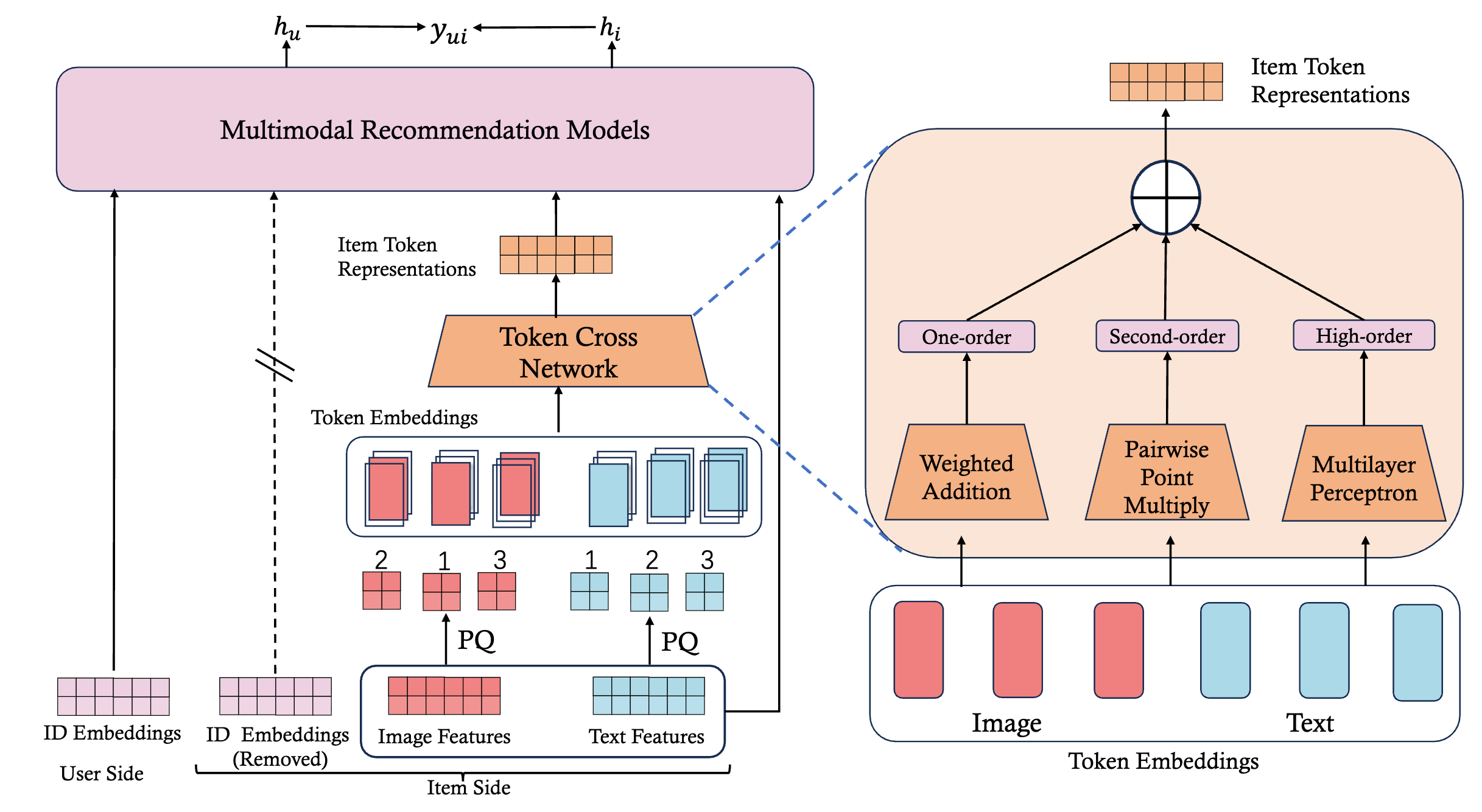
Learning ID-free Item Representation with Token Crossing for Multimodal Recommendation
European Conference on Machine Learning and Principles and Practice of Knowledge Discovery in Databases (ECML-PKDD), 2026
MOTOR replaces item ID embeddings with learnable multimodal tokens and a token-crossing network, reducing reliance on sparse ID features.
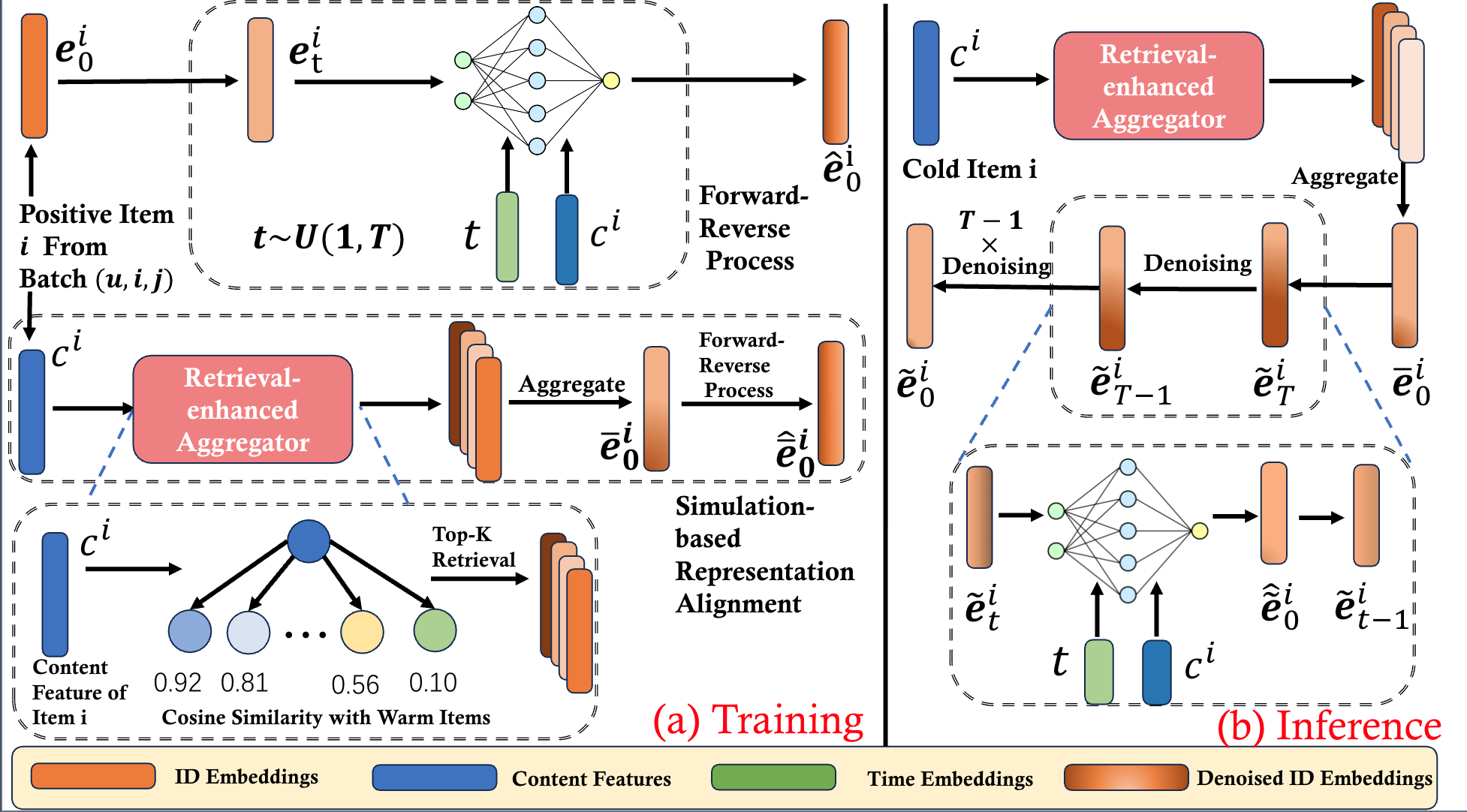
DiffCold: A Diffusion-based Generative Model for Cold-Start Item Recommendation
European Conference on Machine Learning and Principles and Practice of Knowledge Discovery in Databases (ECML-PKDD), 2026
DiffCold tackles cold-start recommendation with diffusion-based representation simulation, retrieval-enhanced aggregation, and representation alignment for cold items.
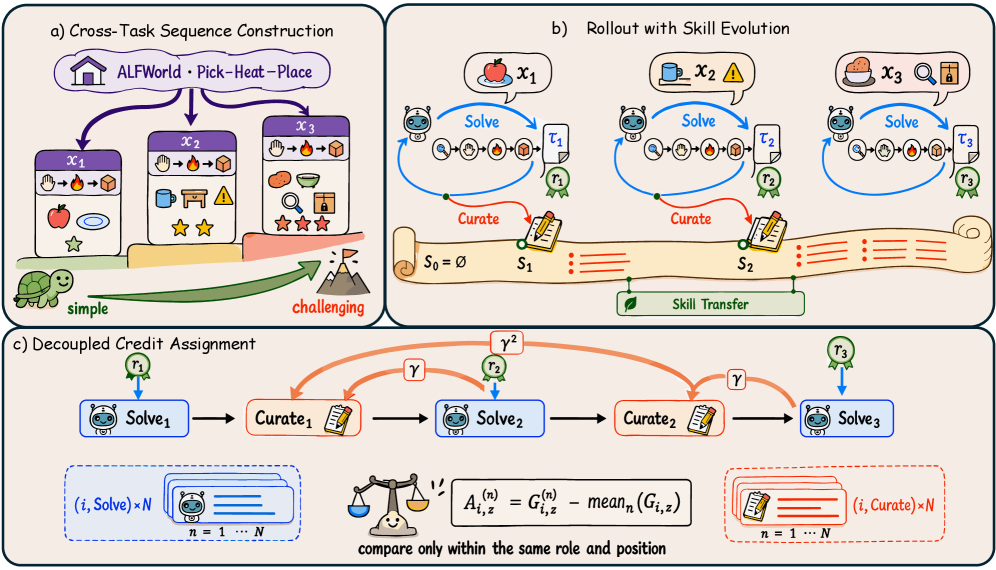
SkillRise: Agentic Reinforcement Learning for Cross-Task Skill Evolution
arXiv preprint, 2026
SkillRise unifies cross-task solving and skill-document curation within reinforcement learning, enabling efficient skill evolution and transfer across progressively related tasks.
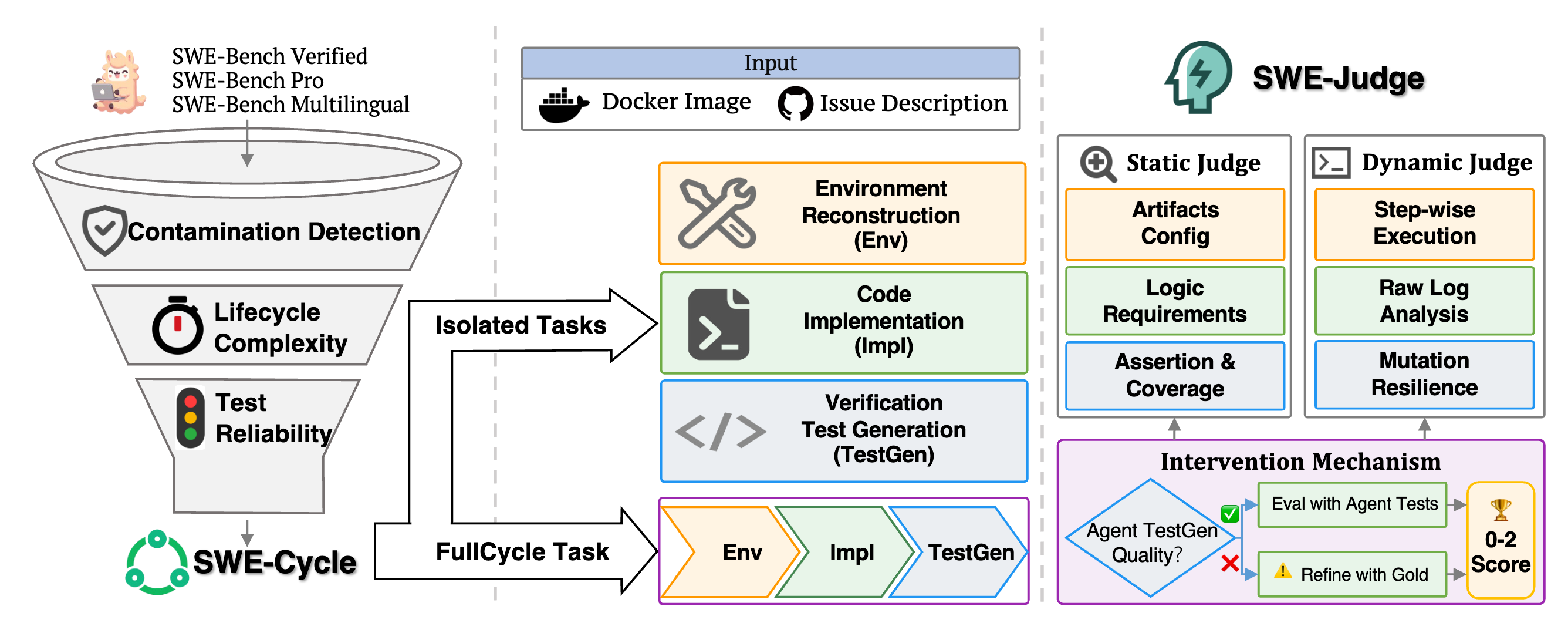
SWE-Cycle: Benchmarking Code Agents across the Complete Issue Resolution Cycle
arXiv preprint, 2026
SWE-Cycle evaluates code agents across environment reconstruction, implementation, test generation, and a full-cycle issue-resolution task.
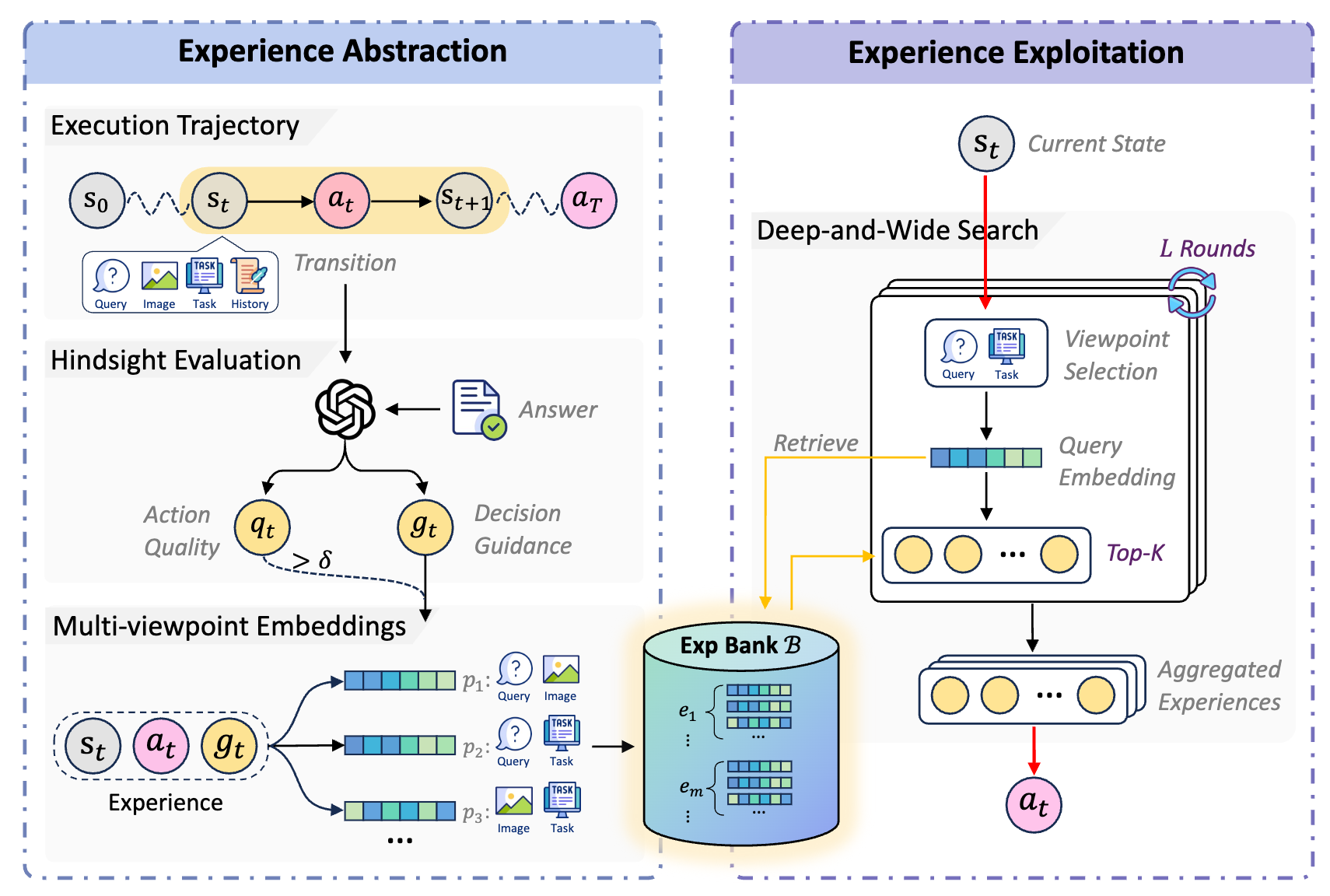
MuSEAgent: A Multimodal Reasoning Agent with Stateful Experiences
arXiv preprint, 2026
MuSEAgent distills interaction histories into stateful decision experiences and retrieves them through complementary search strategies for multimodal reasoning.
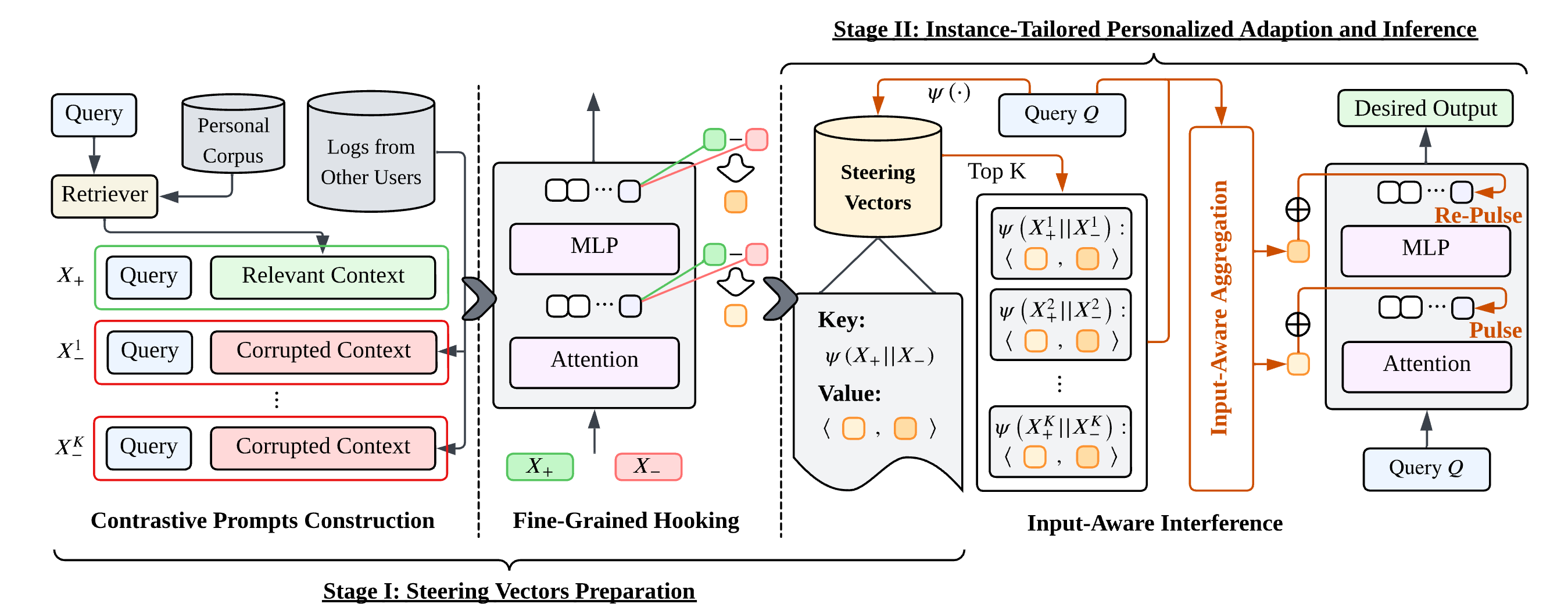
Fints: Efficient Inference-Time Personalization for LLMs with Fine-Grained Instance-Tailored Steering
arXiv preprint, 2025
Fints performs inference-time personalization by selecting fine-grained, instance-tailored steering signals for dynamic user preferences and sparse personalization data.
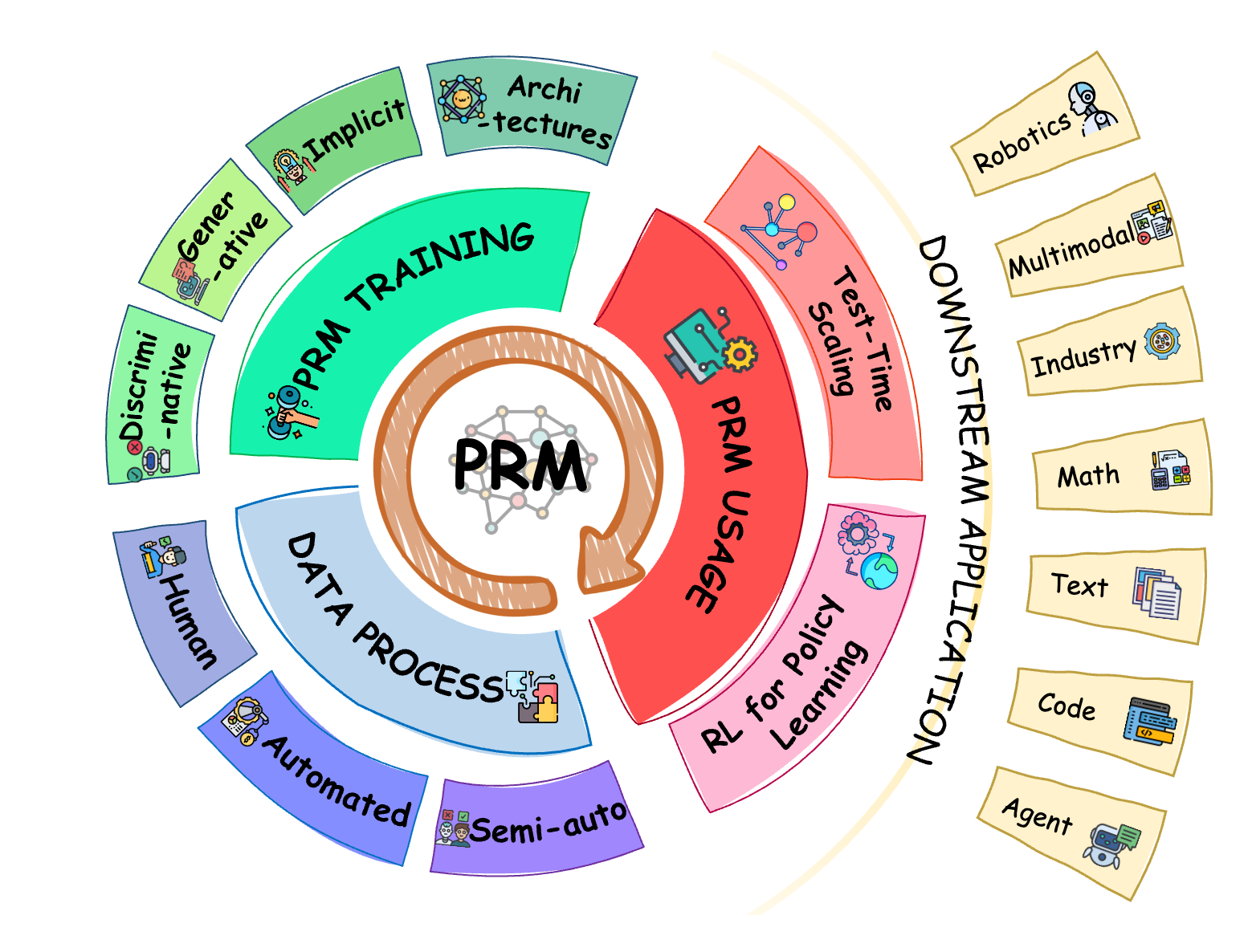
A Survey of Process Reward Models: From Outcome Signals to Process Supervisions for Large Language Models
Annual Meeting of the Association for Computational Linguistics (ACL), 2026
This survey reviews process reward models across process data construction, reward modeling, test-time scaling, and reinforcement learning for large language models.
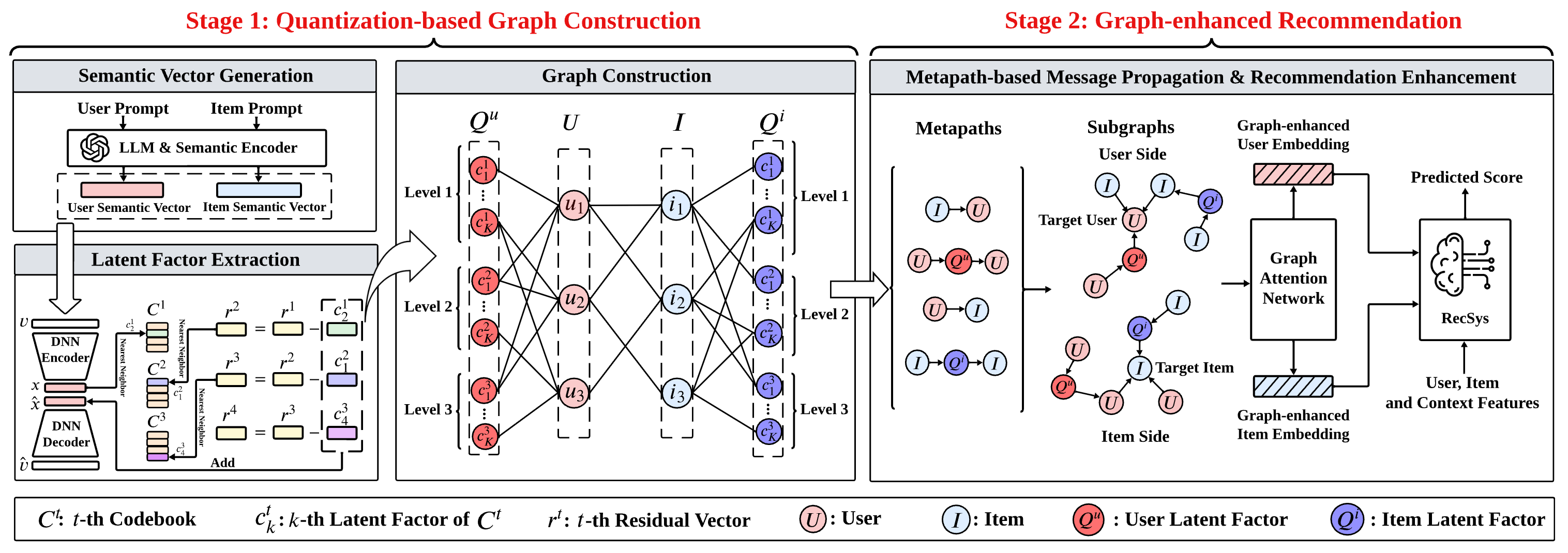
An Automatic Graph Construction Framework based on Large Language Models for Recommendation
ACM SIGKDD Conference on Knowledge Discovery and Data Mining (KDD), 2025
This framework uses large language models to automate graph construction for recommendation, improving the graph learning substrate used by GNN-based recommenders.
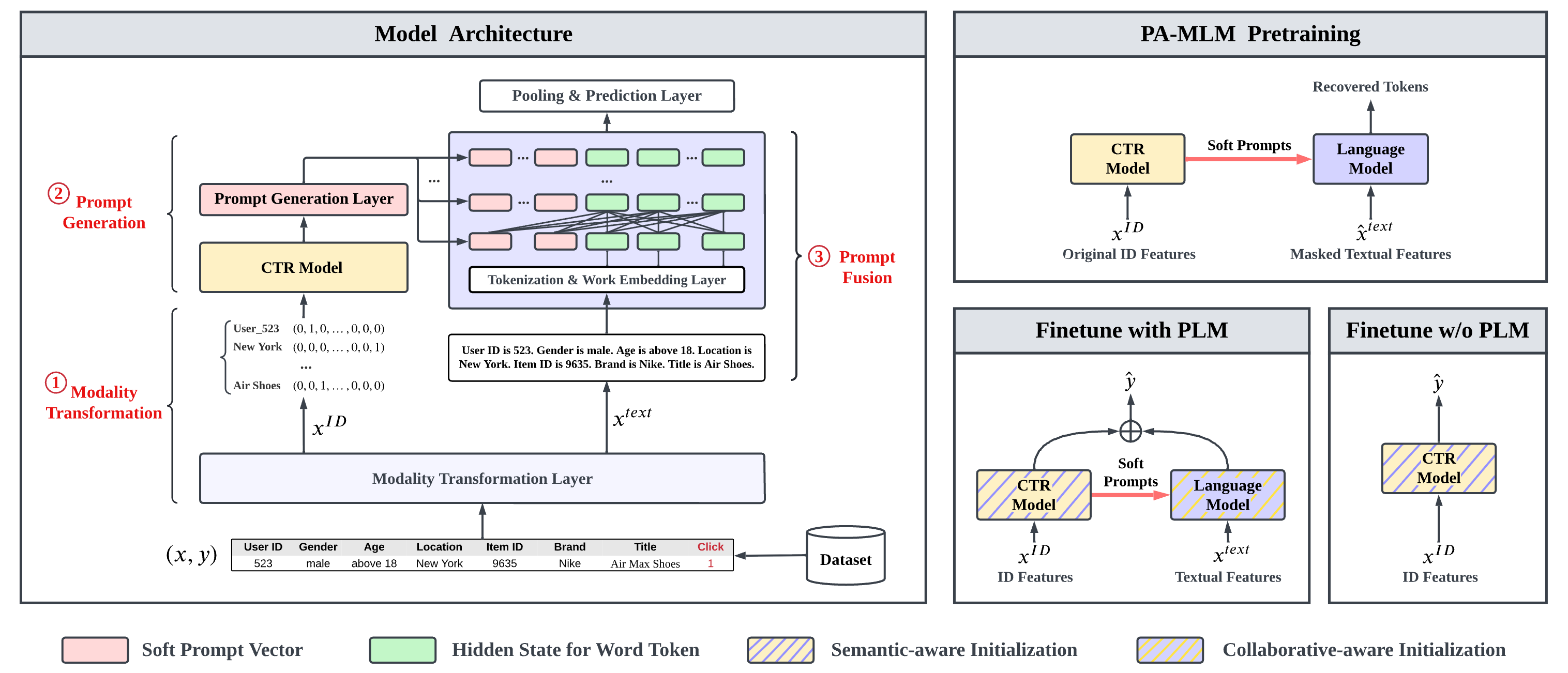
ClickPrompt: CTR Models are Strong Prompt Generators for Adapting Language Models to CTR Prediction
The ACM Web Conference (WWW), 2024
ClickPrompt adapts language models to CTR prediction by using CTR models as prompt generators, combining semantic and collaborative signals.
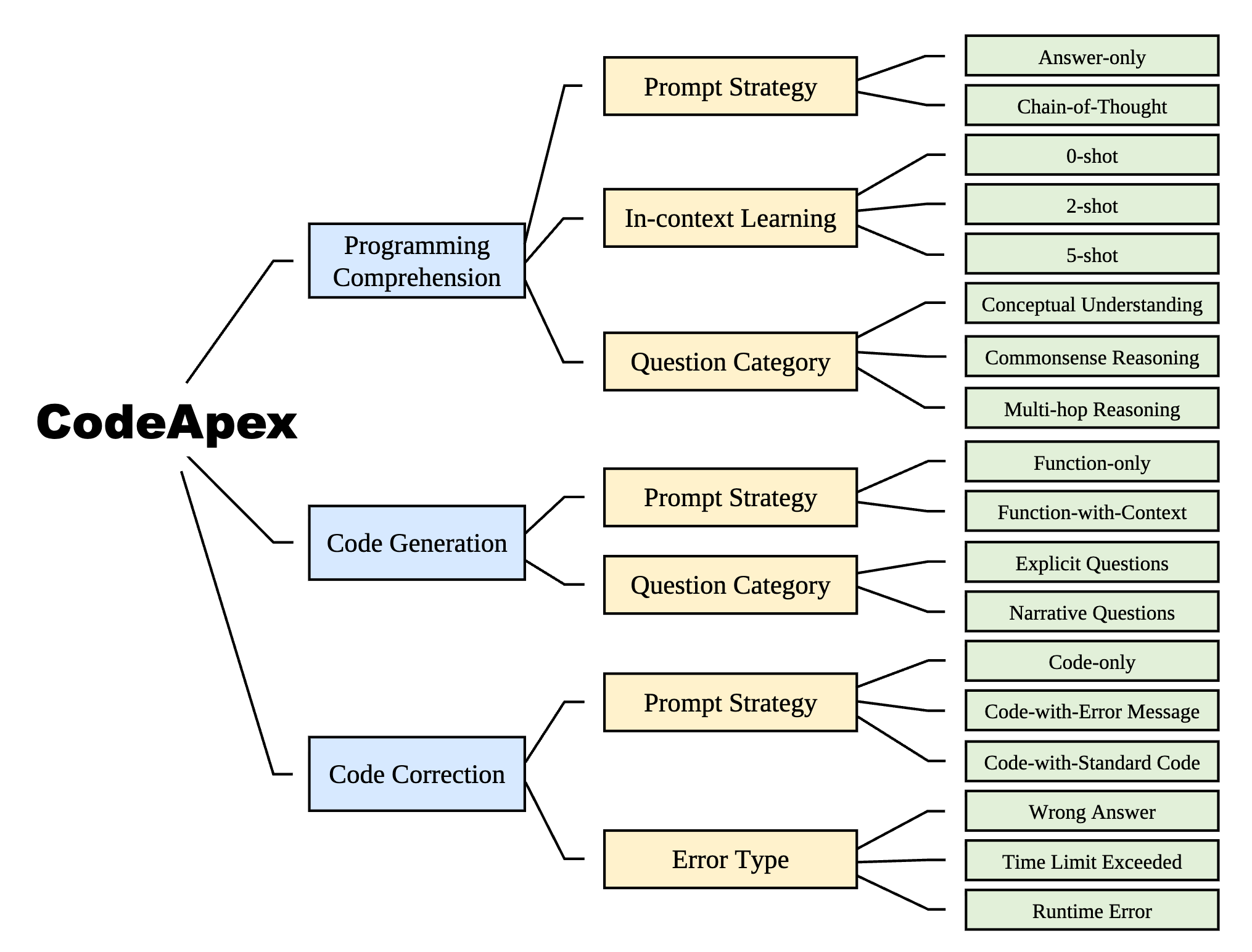
CodeApex: A Bilingual Programming Evaluation Benchmark for Large Language Models
arXiv preprint, 2023
CodeApex is a bilingual benchmark for evaluating large language models on programming comprehension, code generation, and code correction.